
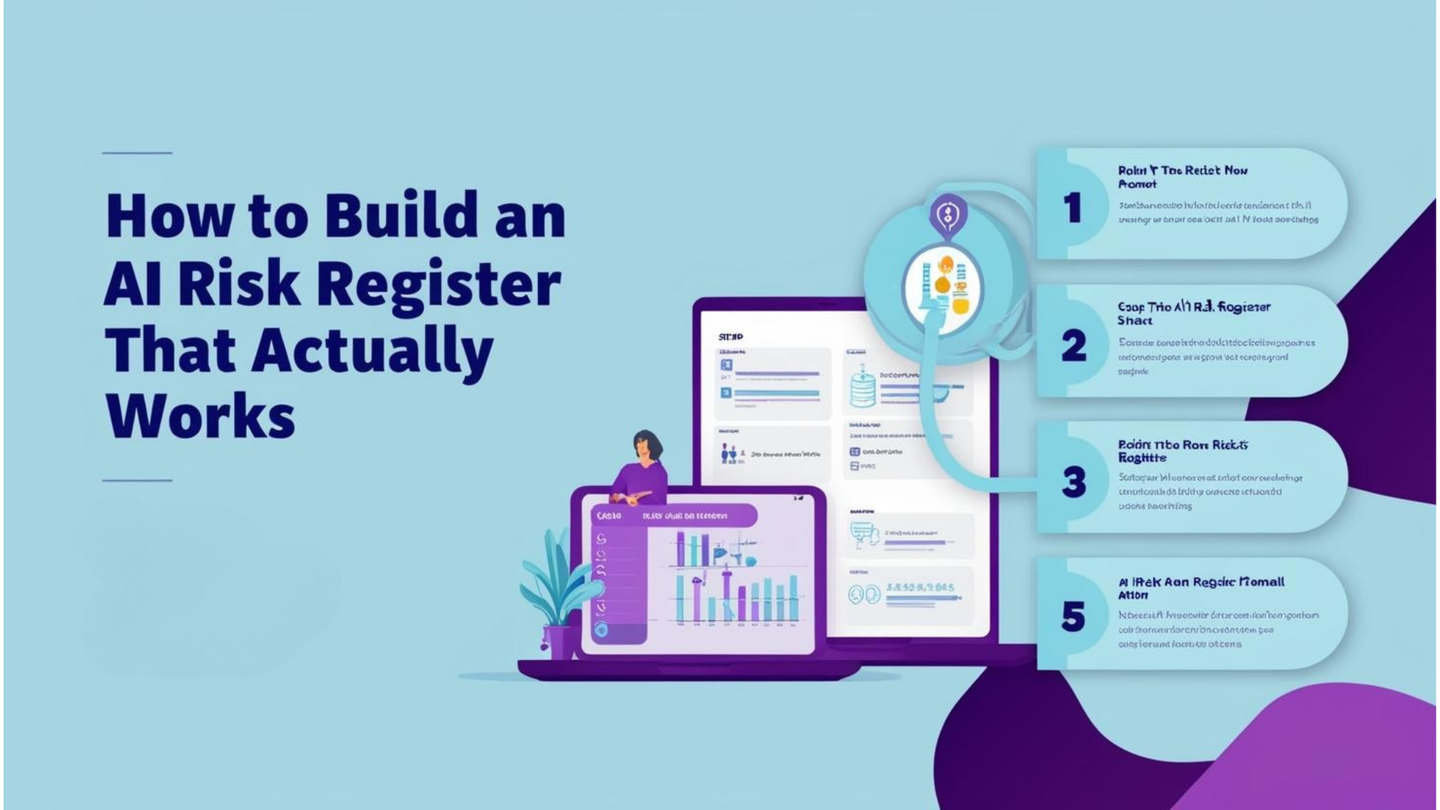
How to Build an AI Risk Register That Actually Works
An AI risk register isn’t just a compliance tool—it’s a strategic asset. Learn how to identify, prioritize, and manage AI-specific risks with real-world scenarios
An AI risk register isn’t just a compliance tool—it’s a strategic asset. Learn how to identify, prioritize, and manage AI-specific risks with real-world scenarios

Gain instant visibility into your AI landscape with one-click auto-discovery from Amazon SageMaker.
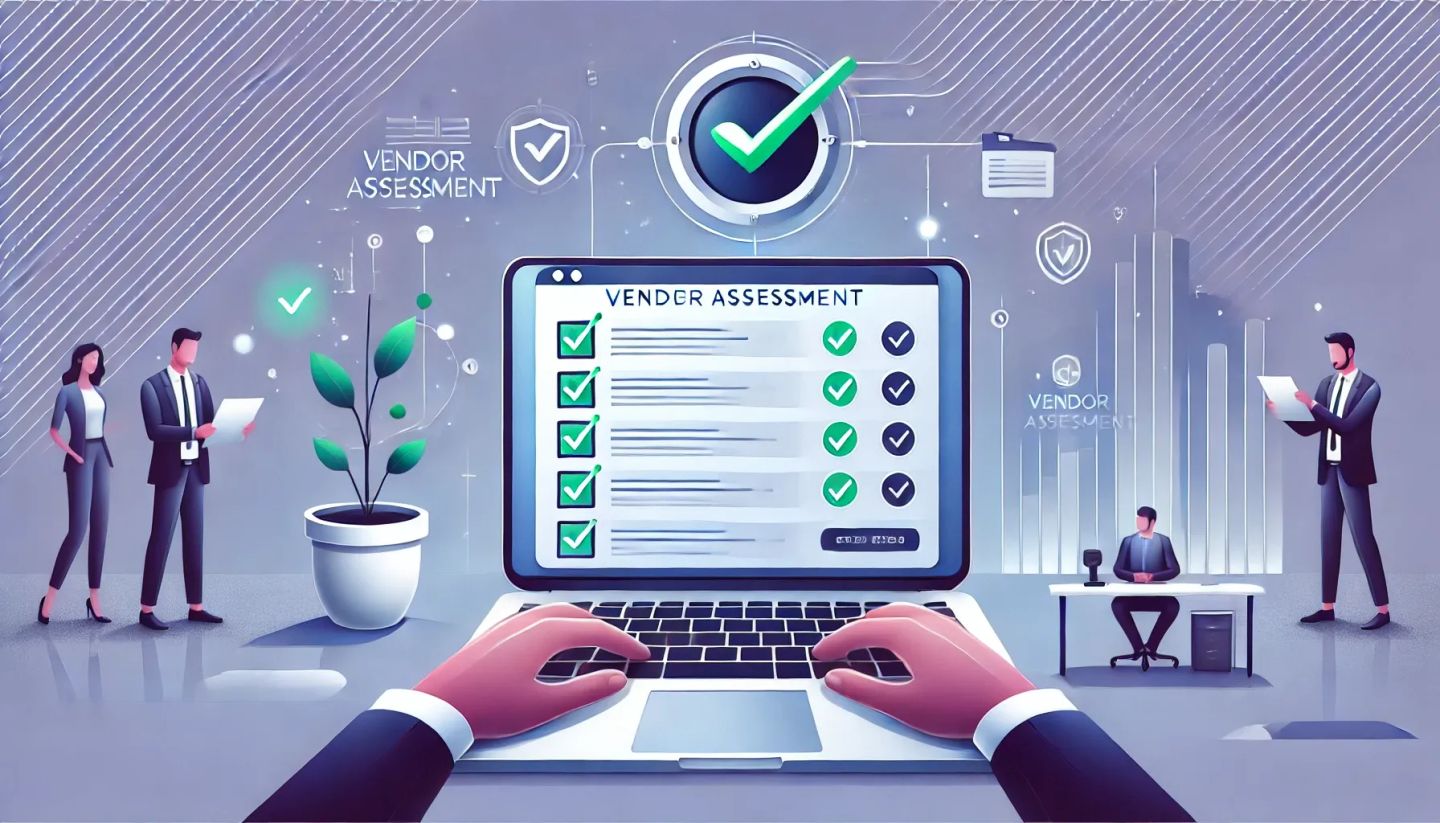
AI startups face increasing pressure to prove their models are compliant, transparent, and ethical. With evolving regulations and growing enterprise demands, compliance is no longer optional—it’s a competitive advantage. This article explores how startups can simplify AI compliance.
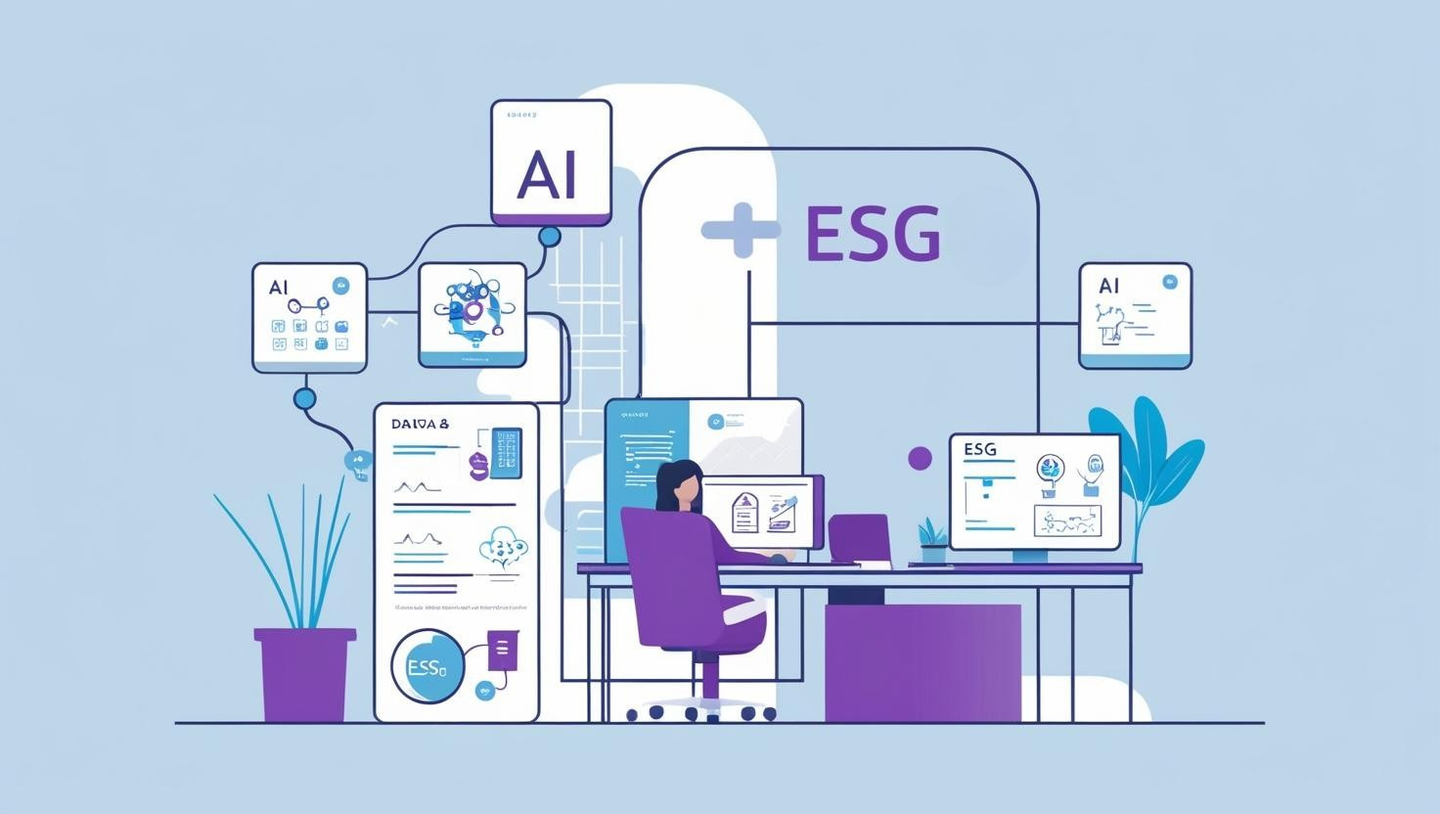
AI governance plays a crucial role in aligning Artificial Intelligence with Environmental, Social, and Governance (ESG) goals. This guide explores how sustainable AI practices, ethical frameworks, and compliance regulations can ensure responsible AI development while minimizing risks.
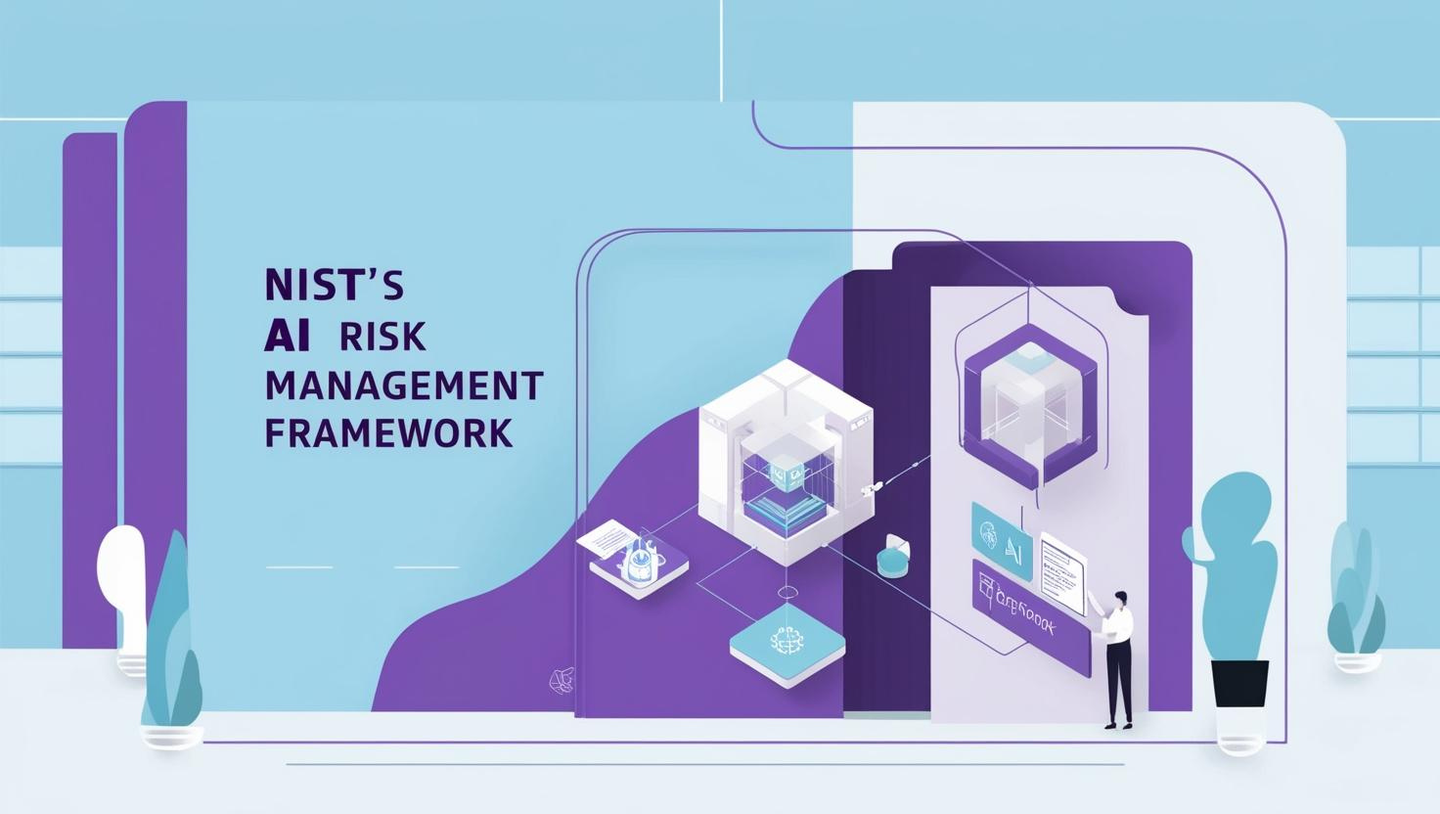
AI risk management is critical for ensuring trustworthy, fair, and compliant AI systems. This guide explores NIST’s AI Risk Management Framework .
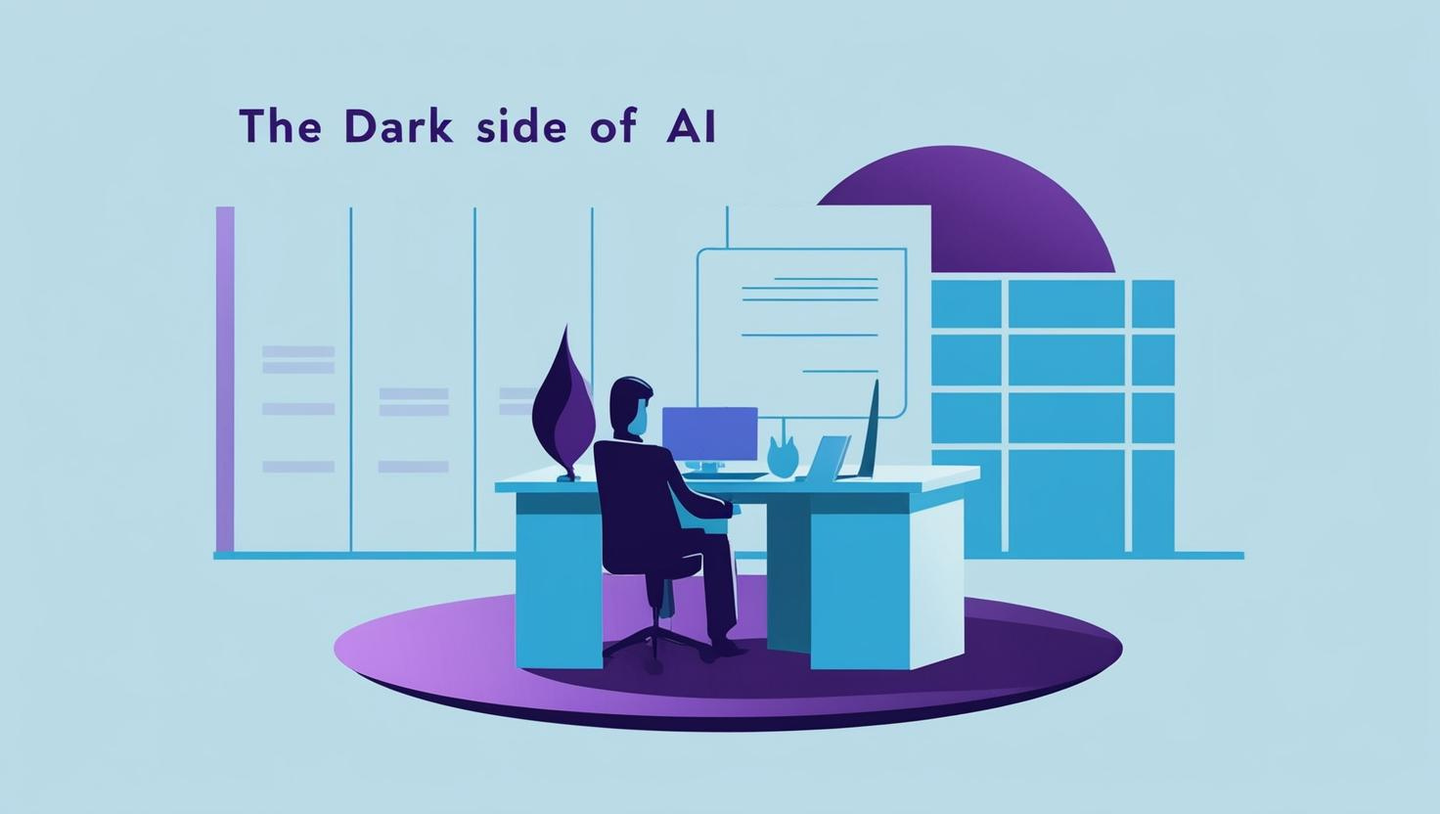
The Double-Edged Sword of AI AI is transforming industries, enhancing productivity, and revolutionizing decision-making. But with great power comes great responsibility—and significant risks. From algorithmic bias in hiring systems to deepfake videos manipulating public perception, AI’s dark side is becoming harder to ignore. A recent study found that

AI and Privacy: A Growing Concern AI is transforming industries, from personalized healthcare to real-time fraud detection. But as AI systems process vast amounts of data, concerns over privacy, security, and regulatory compliance have surged. How can businesses harness the power of AI while ensuring they protect user data and

Striking the Right Balance Between Automation & Human Oversight AI is revolutionizing industries—from automating customer service to making high-stakes financial decisions. But as AI systems grow more powerful, the question remains: how much human oversight is needed to ensure fairness, compliance, and accountability? The concept of Human-in-the-Loop (HITL) AI
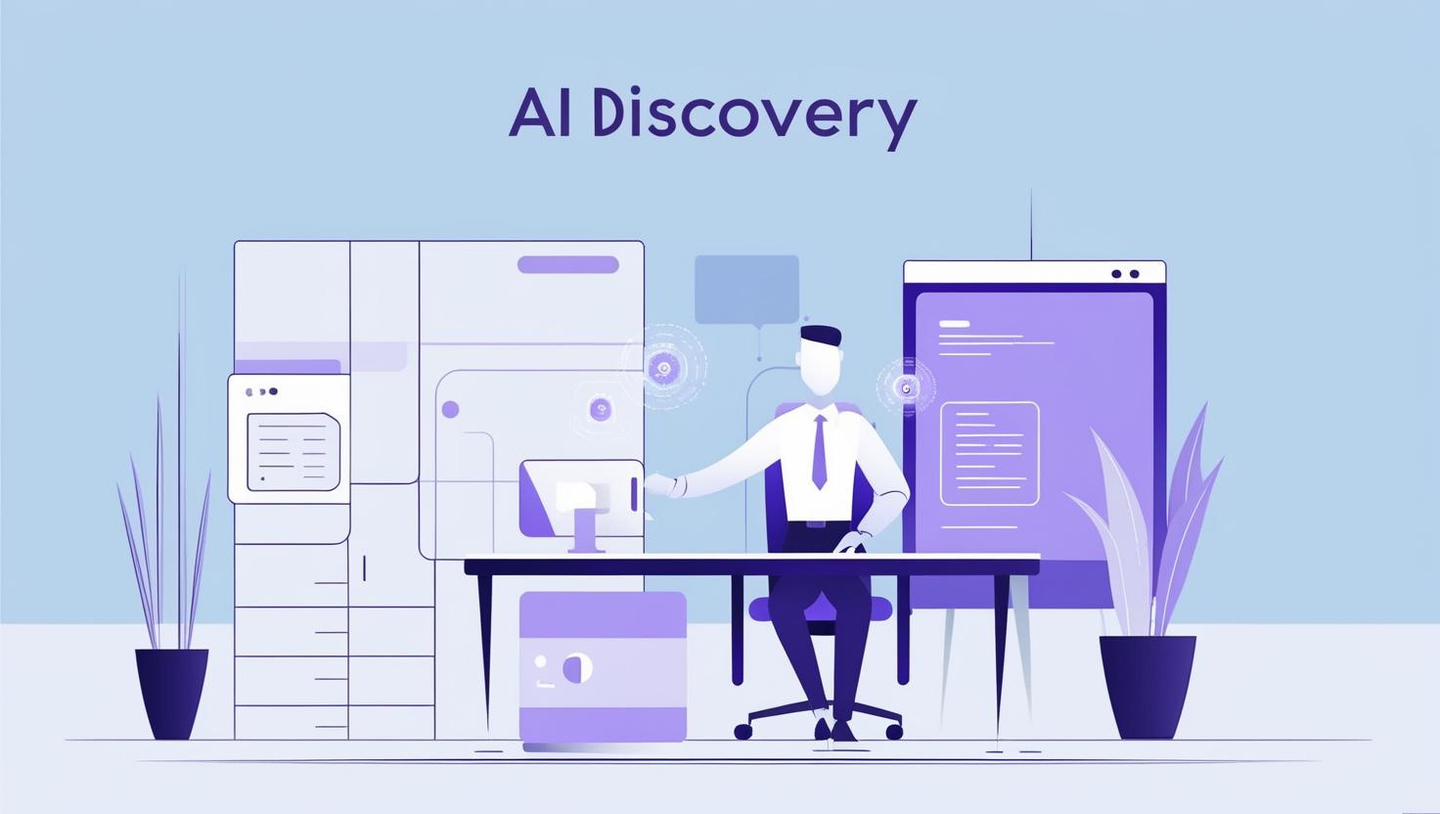
Austin, March 8, 2025 – In a bold move to transform AI governance, Cognitiveview has launched its highly anticipated AI Discovery Module, setting a new benchmark for AI transparency, compliance, and model governance. This cutting-edge module seamlessly integrates with Amazon SageMaker, MLflow, and other MLOps platforms, giving enterprises unprecedented visibility and

The Rise of AI in Retail: A Double-Edged Sword AI is transforming the retail and e-commerce landscape, enabling hyper-personalization, dynamic pricing, and AI-driven customer support. But while these advancements promise efficiency and growth, they also introduce risks—bias in AI recommendations, discriminatory pricing models, and unfair treatment in automated decision-making.
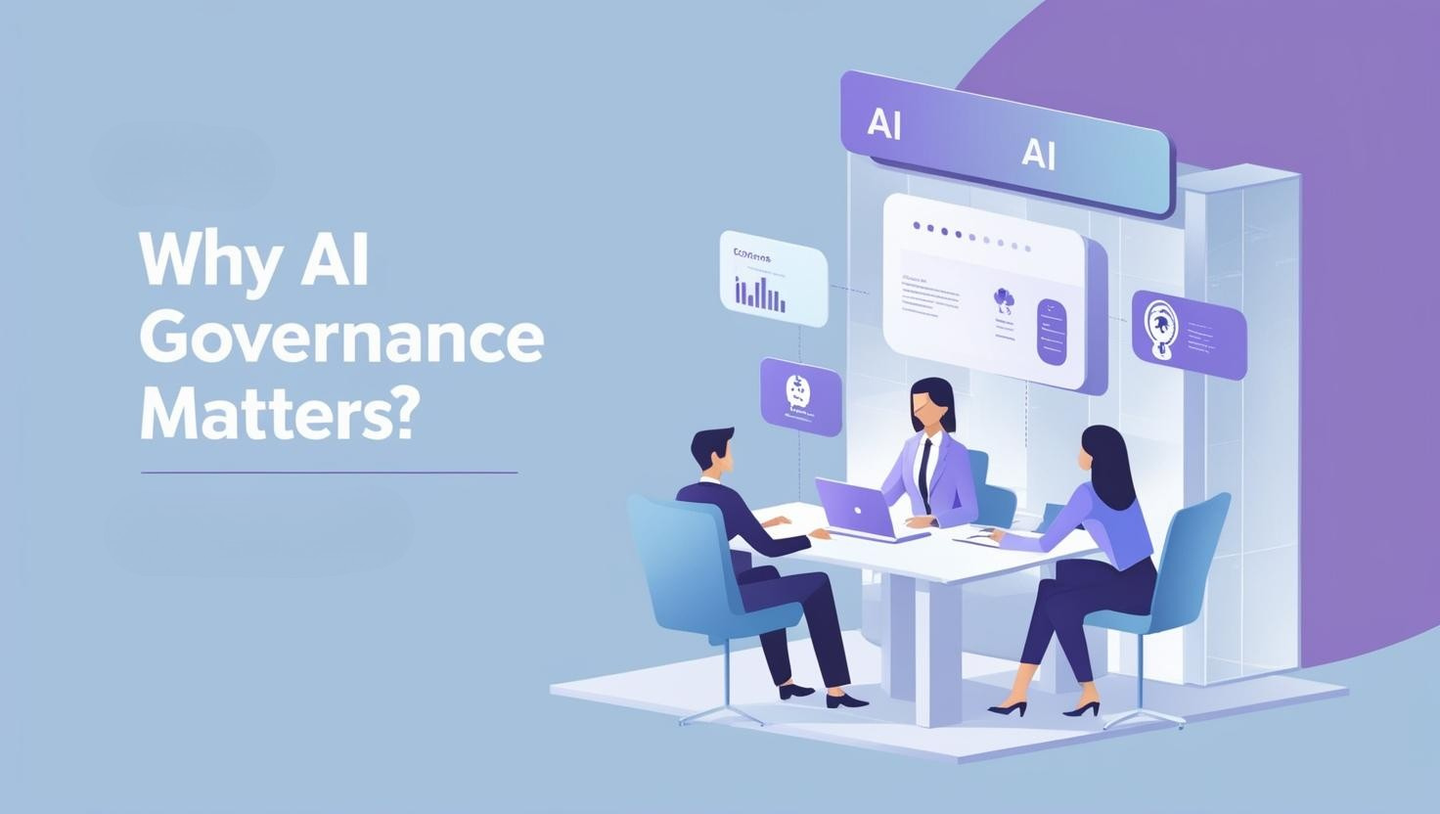
The AI Revolution and the Governance Gap AI is transforming industries at an unprecedented pace, from automating workflows to enhancing decision-making. But with great power comes great responsibility. Are enterprises prepared for the ethical, regulatory, and operational challenges AI brings? As regulatory frameworks like the EU AI Act and NIST
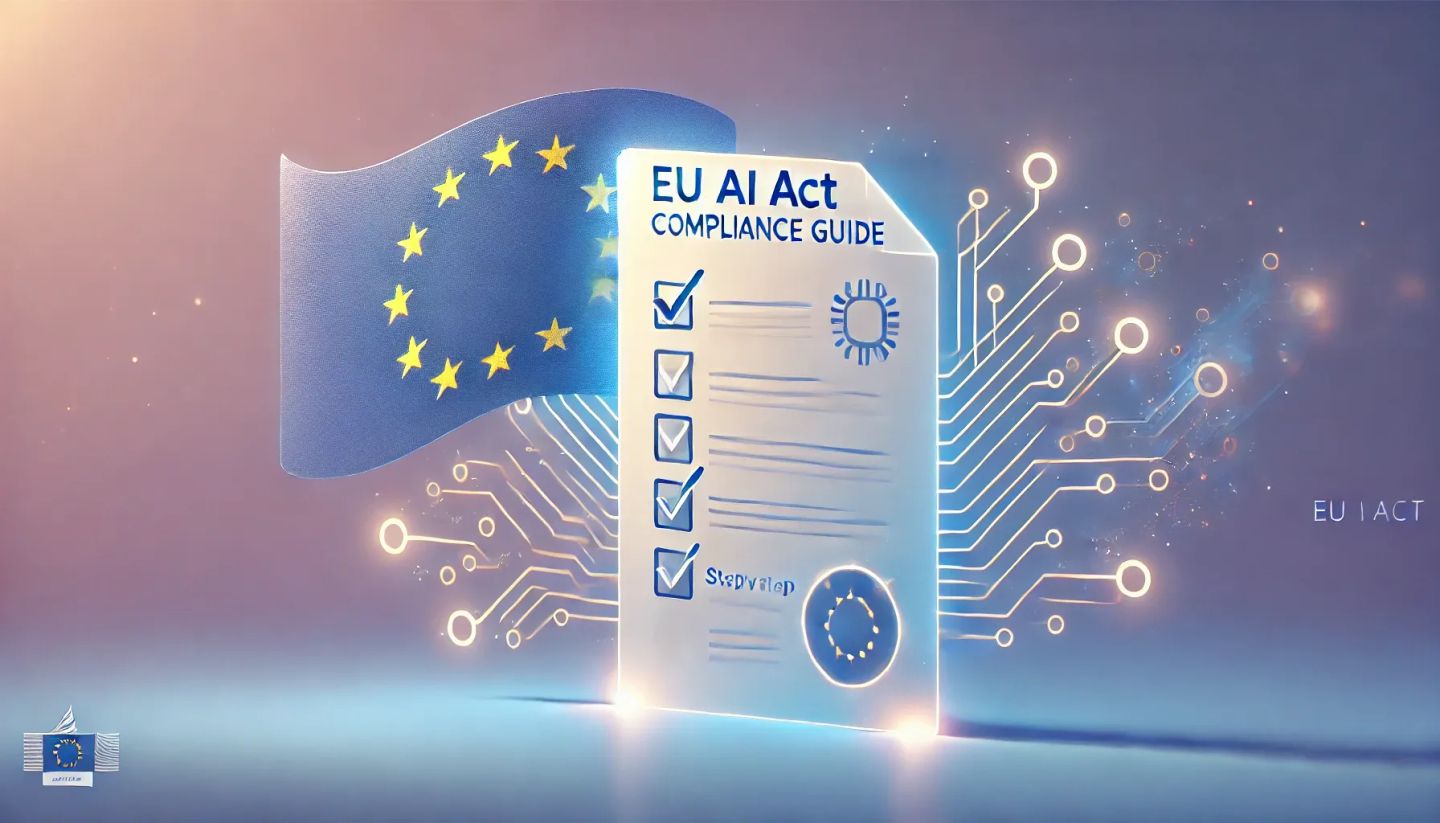
What is the EU AI Act? A Step-by-Step Compliance Guide AI is reshaping industries, driving innovation, and transforming business landscapes worldwide. But as artificial intelligence becomes more integrated into our daily lives, risks around privacy, safety, and fairness have surged. Enter the EU AI Act—the world's first