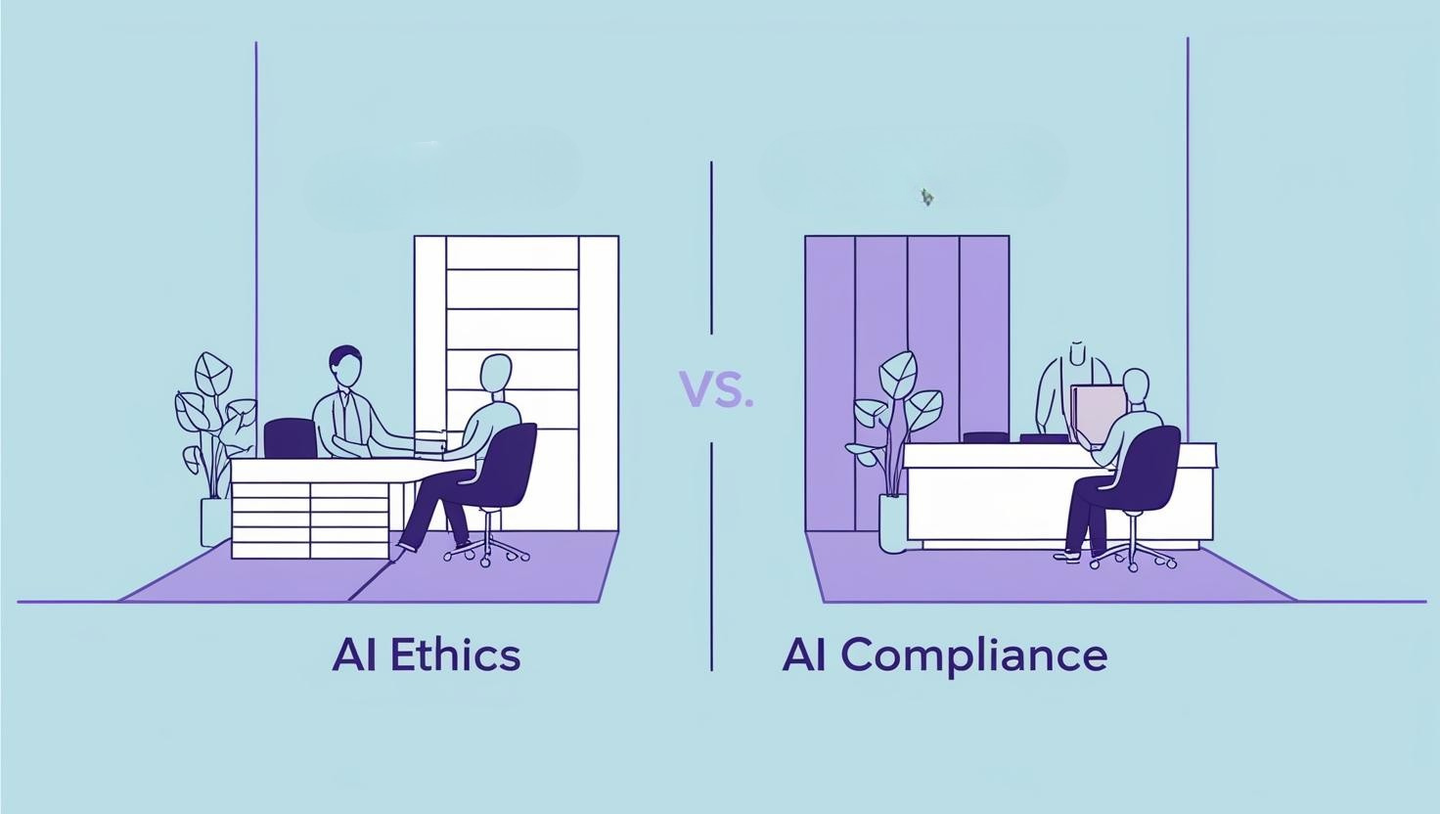
AI Ethics vs. AI Compliance: What’s the Difference?
AI ethics and AI compliance are often confused, but they serve different roles in AI governance.
AI ethics and AI compliance are often confused, but they serve different roles in AI governance.
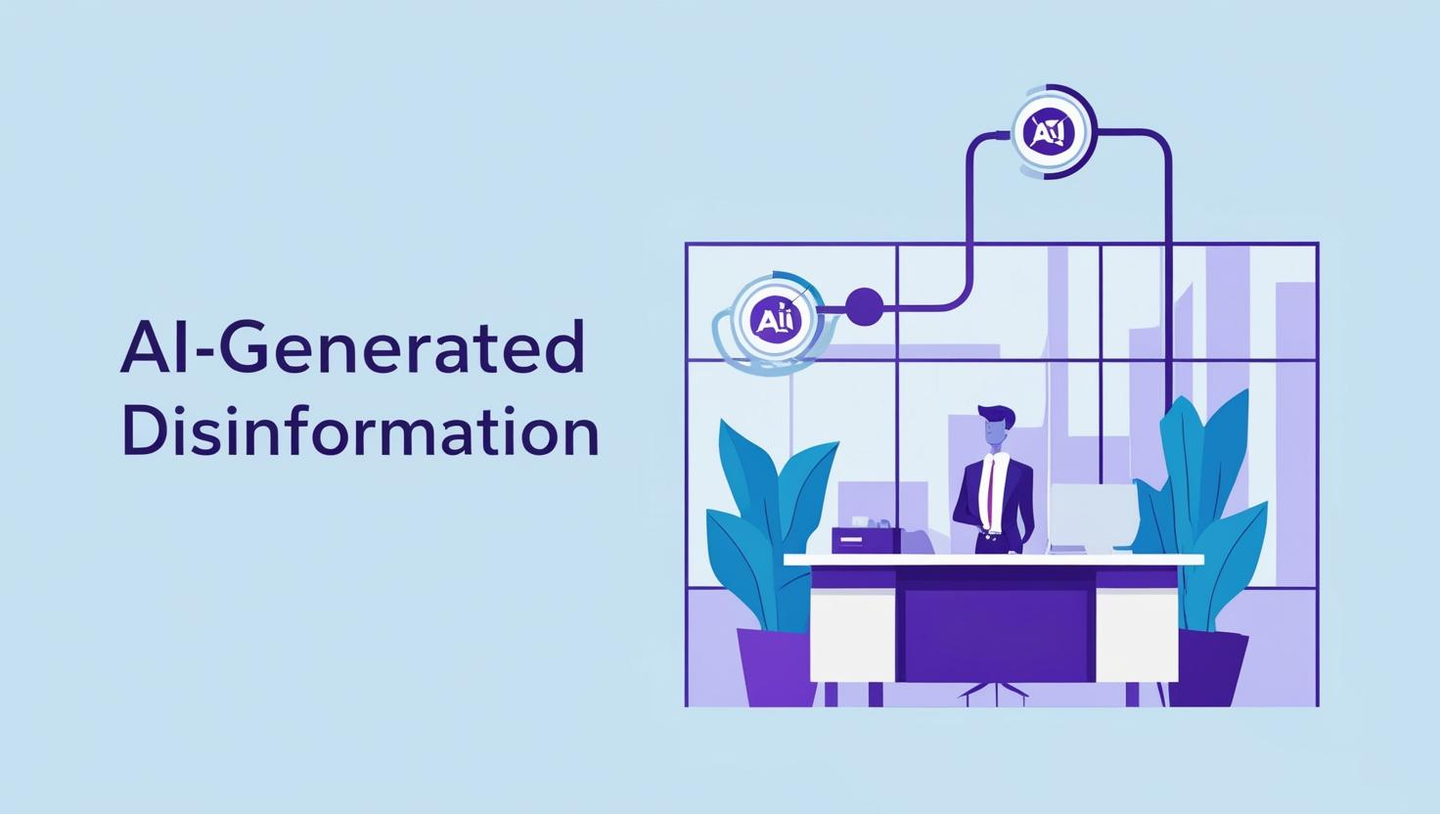
AI-generated disinformation is a rising threat, from deepfakes to AI-created fake news. Learn how AI governance frameworks can help prevent misinformation by enforcing transparency, compliance, and ethical AI practices, ensuring trust and accountability in AI-driven content.
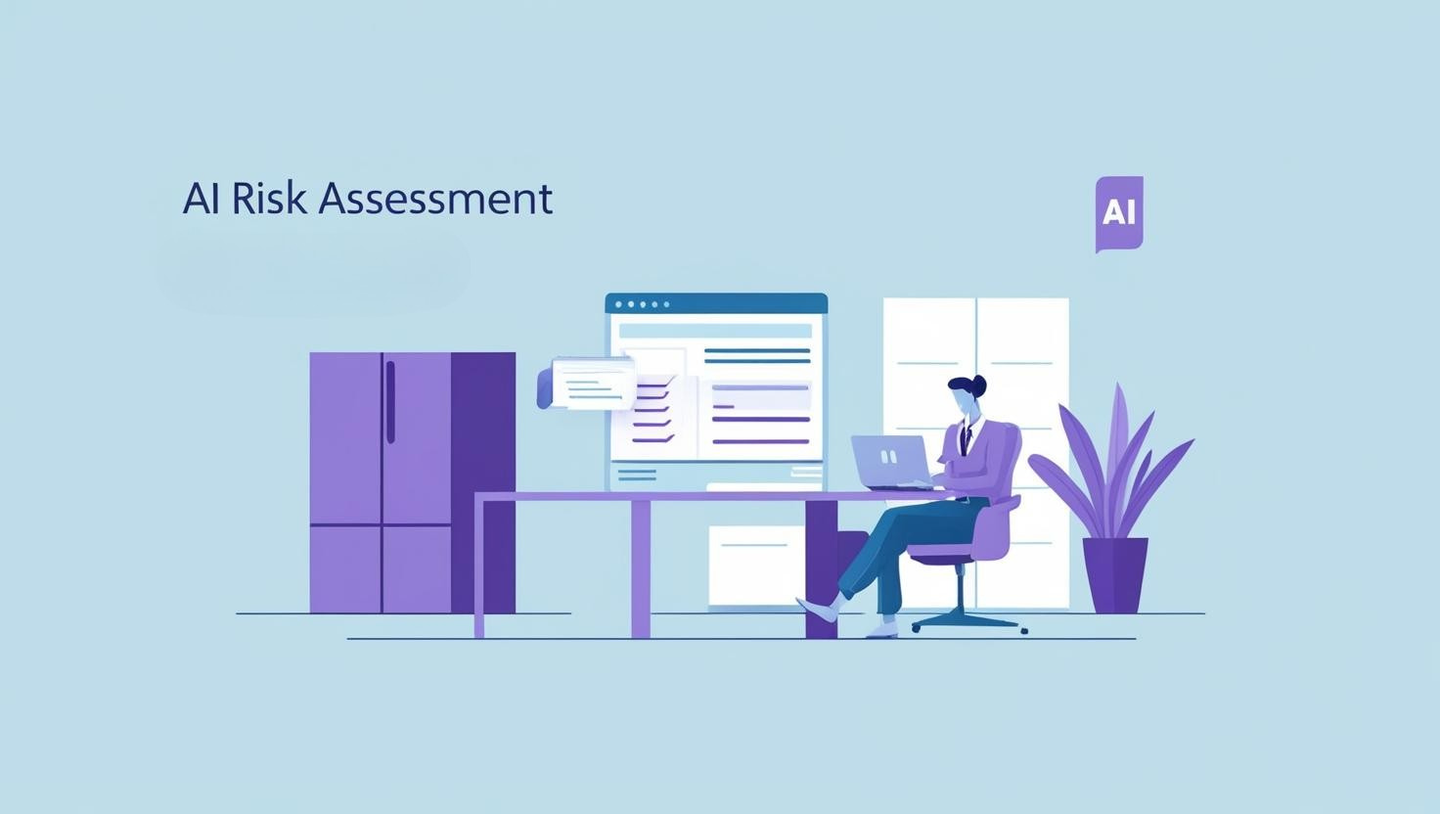
AI risk assessment is critical for preventing system failures, mitigating bias, and ensuring regulatory compliance. Learn how businesses can proactively identify AI risks, implement governance frameworks, and safeguard AI models against security threats and ethical concerns.

AI ethics boards help enterprises ensure responsible AI governance, compliance, and fairness. Learn how to structure AI oversight, prevent bias, and align with global AI regulations like the EU AI Act and NIST AI RMF
Measuring ESG for AI is essential for ensuring sustainability, fairness, and compliance. This guide explores key metrics, assessment frameworks, and best practices to track AI’s environmental impact, social responsibility, and governance compliance effectively.
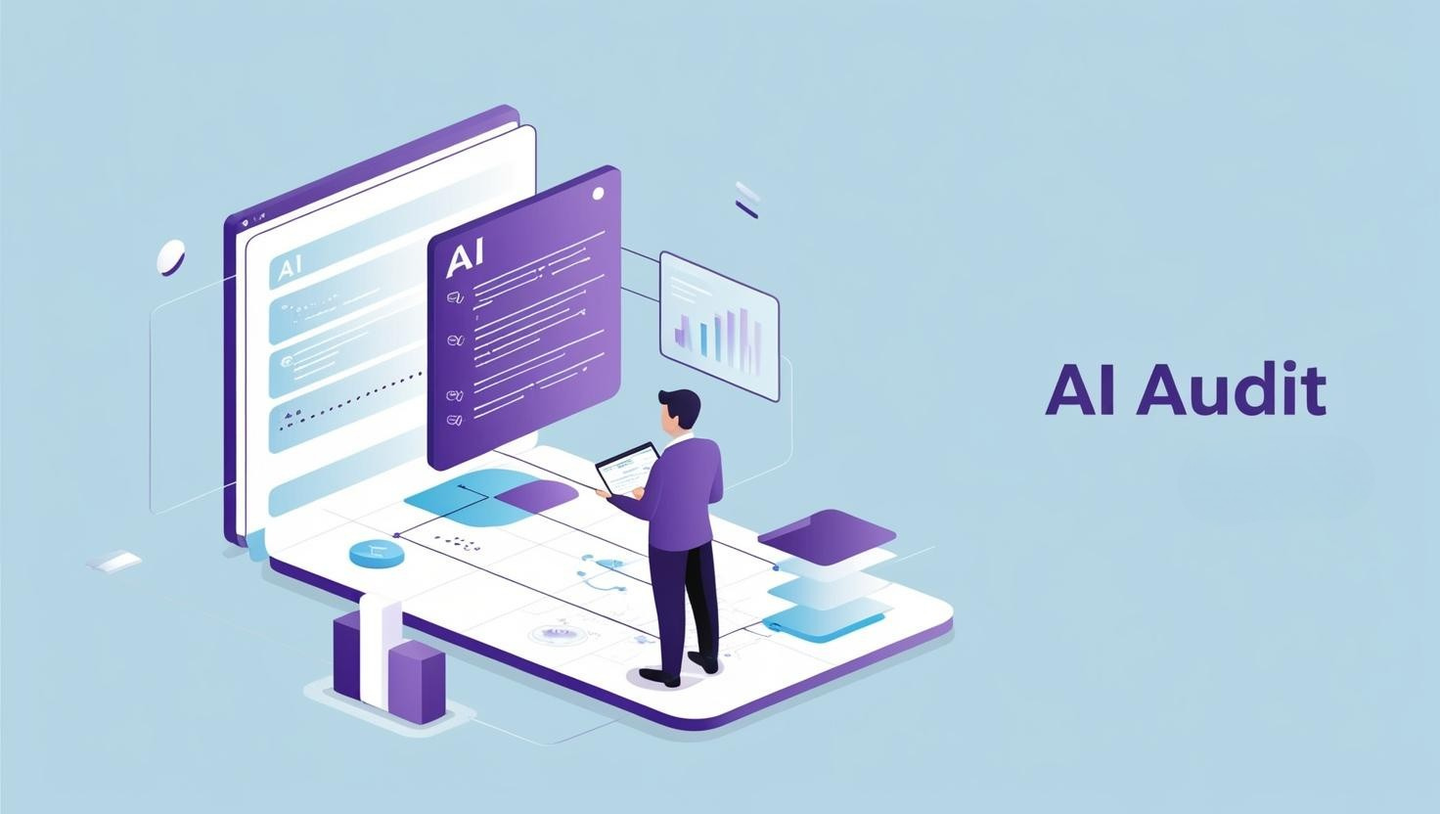
AI audits are essential for ensuring fairness, security, and compliance in AI systems. This guide provides a step-by-step approach to conducting AI audits, covering bias detection, transparency, risk assessments, and regulatory alignment with frameworks like NIST AI RMF and the EU AI Act.

Red teaming AI is essential for stress-testing models against security threats, bias, and compliance risks. Learn how enterprises can conduct adversarial testing to enhance AI security, fairness, and resilience while aligning with NIST AI RMF and the EU AI Act.