AI Human Impact Signals (AI-Human)
Artificial Intelligence is becoming decision infrastructure, yet human consequences remain difficult to observe continuously. Why AI governance must evolve from system evaluation to human impact observability.
AI Ethics & Responsible AI
Artificial Intelligence is becoming decision infrastructure, yet human consequences remain difficult to observe continuously. Why AI governance must evolve from system evaluation to human impact observability.
Sovereign AI is often reduced to where models are hosted or data is stored. But sovereignty isn’t proven by geography. It’s proven by whether AI deployment decisions can be explained, justified, and defended over time.
AI Ships in Weeks. Governance Delays Deals for Months
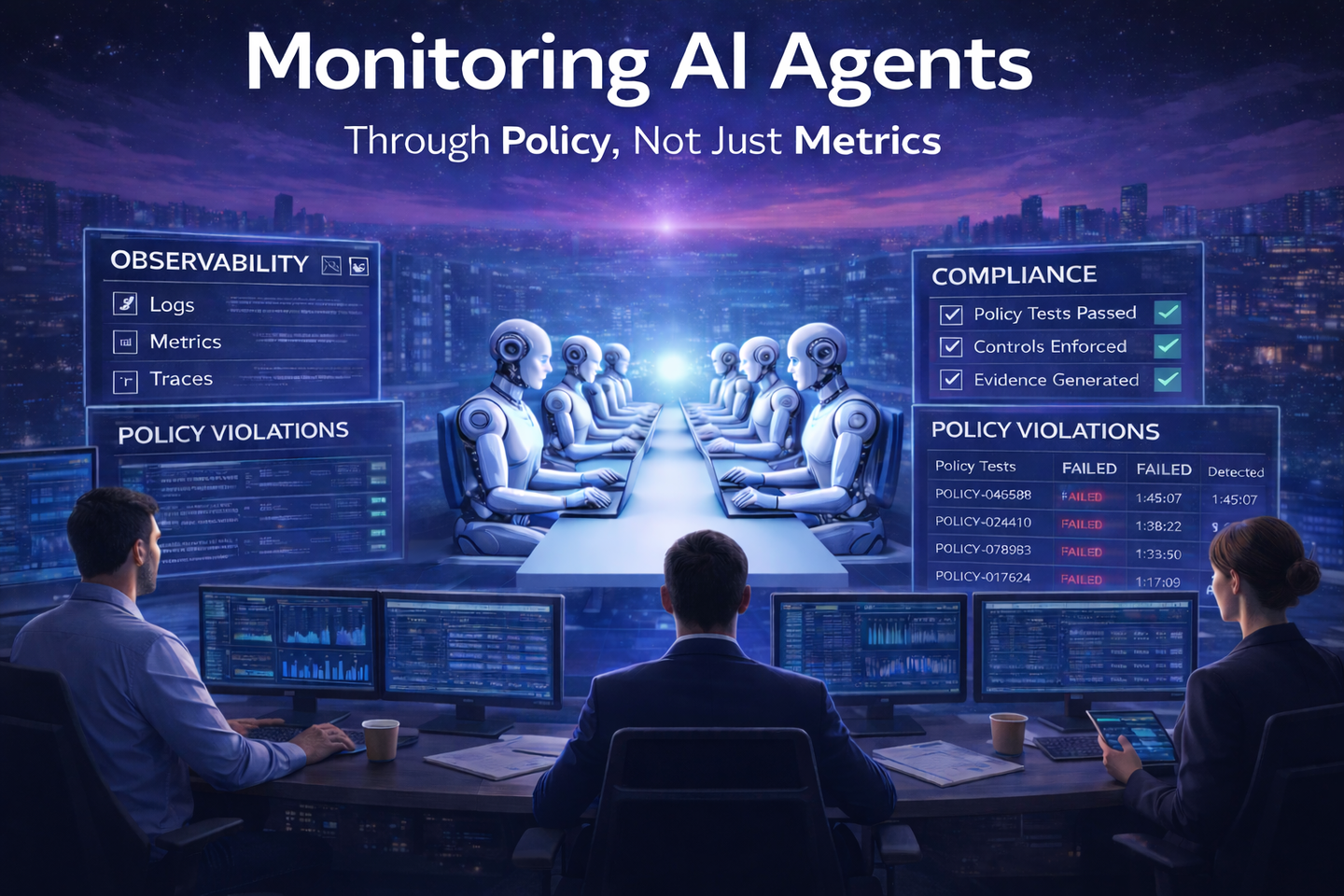
A new class of digital workers is entering the enterprise. Governance — not hype — will determine who succeeds. On a recent call with a CIO at a large healthcare network, she described a moment that caught her entire leadership team off guard. Their AI agent, designed to help with documentation and
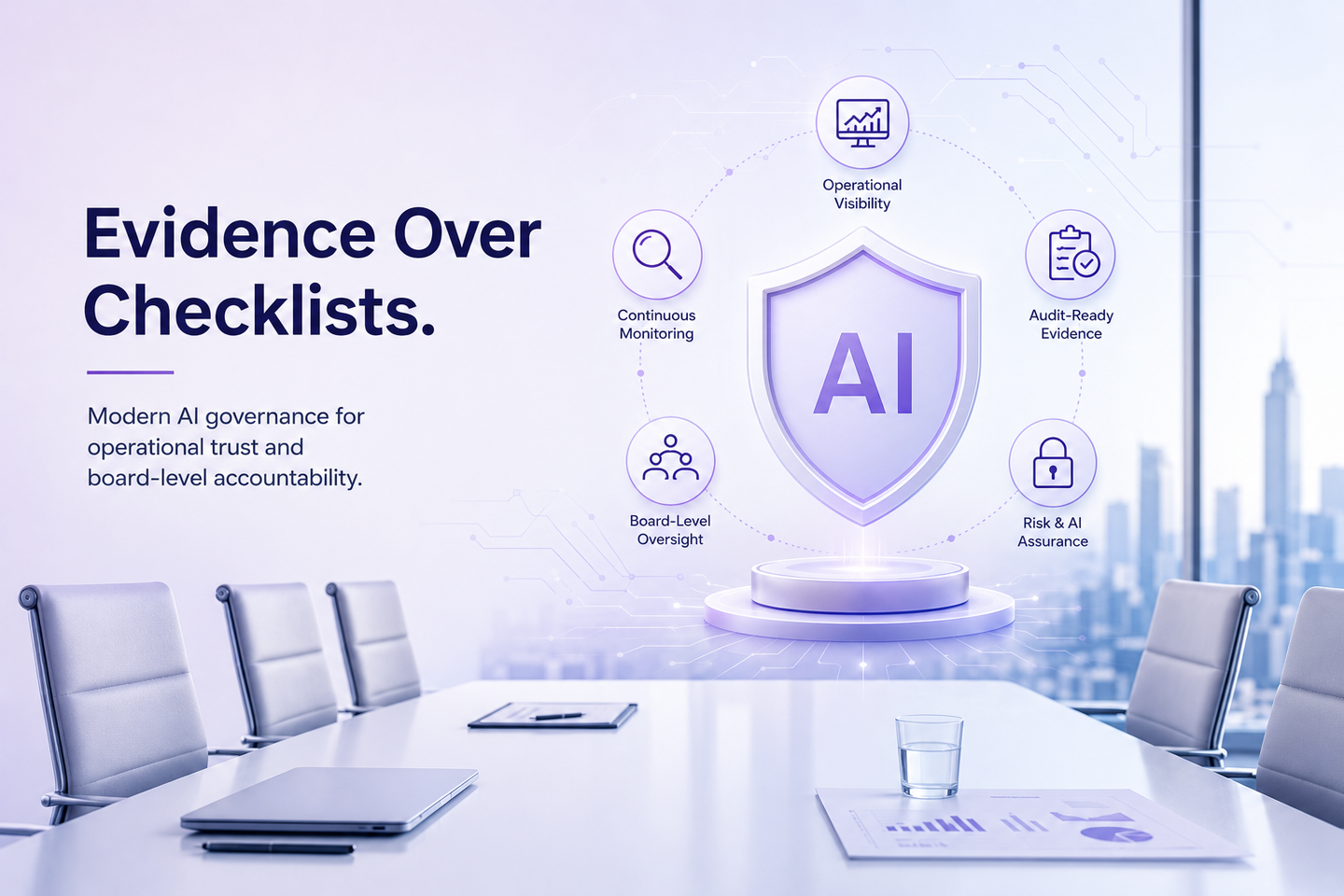
AI metrics alone don’t satisfy regulators. Learn how to operationalize AI assurance by converting evaluations into audit-ready evidence aligned with EU AI Act, NIST RMF, and ISO 42001.
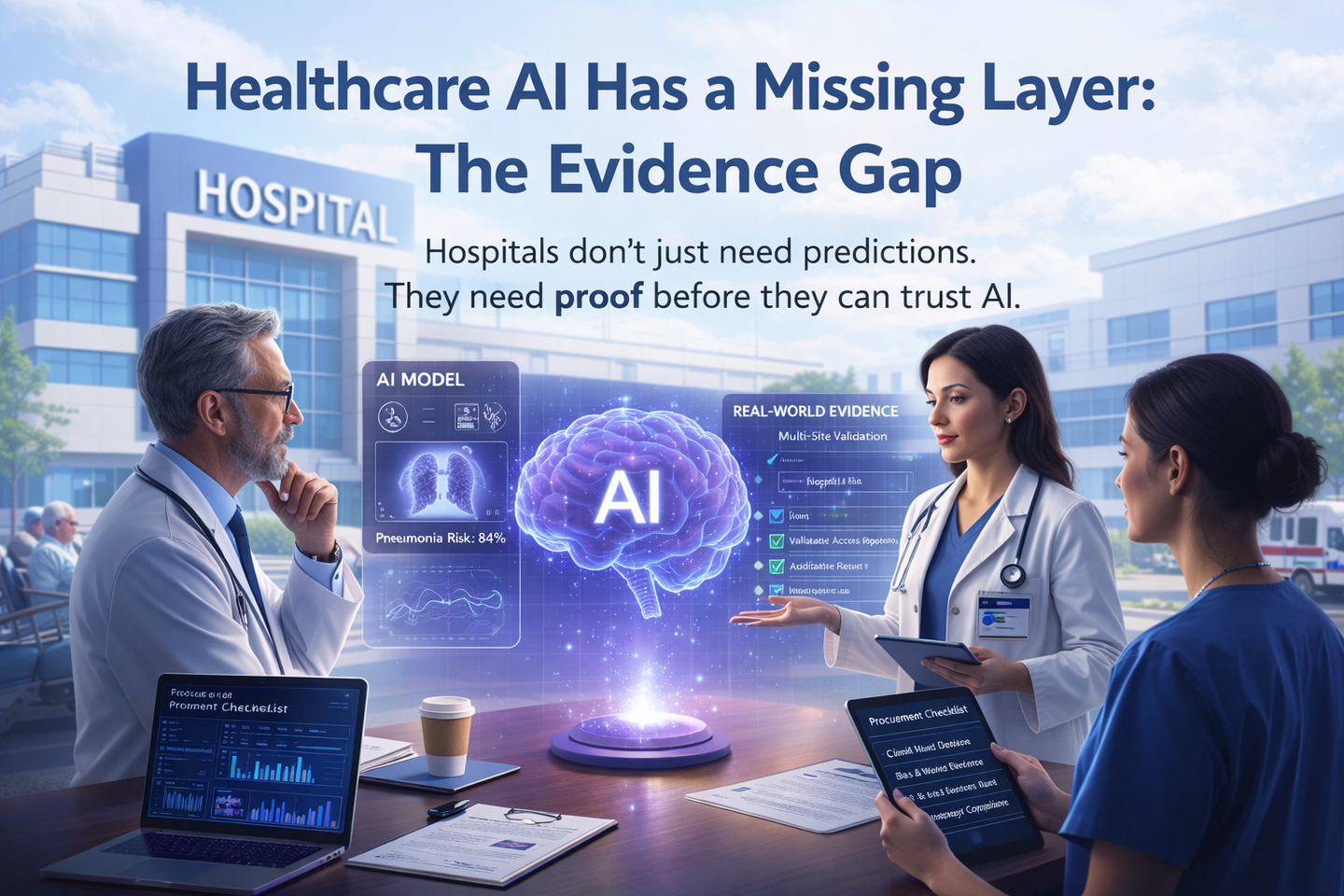
Compliance alone won’t earn patient trust in healthcare AI. Passing audits is not enough—outcomes, fairness, and transparency matter most. This blog with IAIGH CEO Josh Baker explores how the HAIGS framework helps providers move from box-ticking compliance to demonstrable trust.
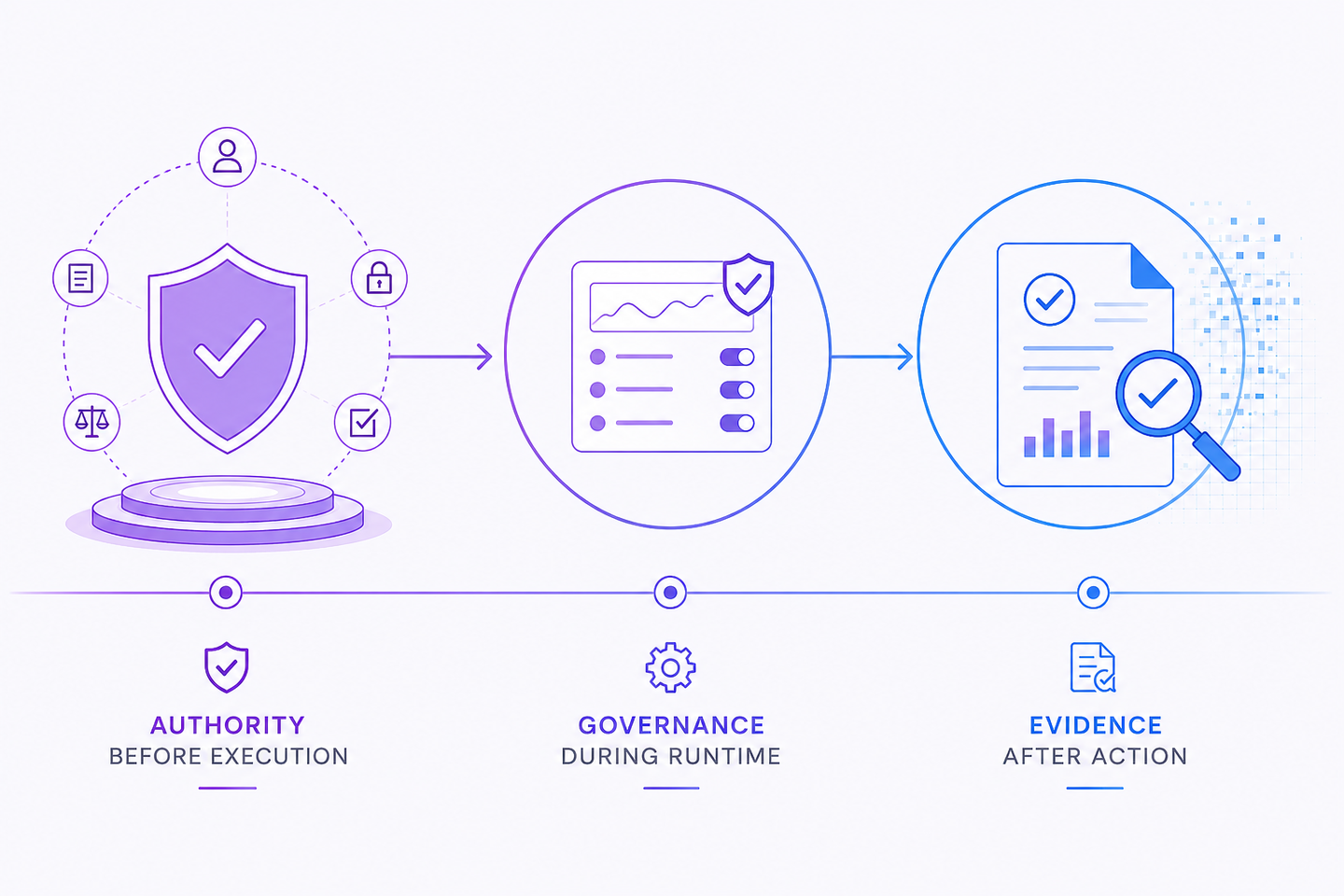
TRACE is an open assurance framework that turns Responsible AI from intent into evidence. It links model metrics to legal clauses, automates controls, and delivers audit-ready proof—without black-box platforms.
Radiology AI tools are powerful—but are they provably safe? This post explores how TRACE transforms performance metrics into HIPAA-compliant audit logs and factsheets for patients and clinicians alike.
AI metrics are necessary—but not sufficient—for compliance. Learn how TRACE adds purpose, risk, and impact metadata to generate audit-ready evidence that meets EU AI Act and ISO 42001 expectations.
Learn how pairing Deepeval with the TRACE framework turns raw fairness, privacy, and robustness metrics into audit-ready evidence that satisfies EU AI Act, NIST RMF, and ISO 42001 requirements.
AI teams track metrics. Regulators want evidence. TRACE transforms fairness scores, privacy metrics, and model evaluations into audit-ready proof—automatically. Learn how it bridges the Metrics-to-Evidence Gap and helps you comply with EU AI Act, NIST AI RMF, and ISO 42001.
Discover a clear, standards‑aligned path to Responsible AI. Learn how CognitiveView’s 3‑step Governance, Risk, and Compliance (GRC) journey helps you assess, monitor, and comply with frameworks such as NIST, the EU AI Act, and ISO 42001—while growing at your own pace.